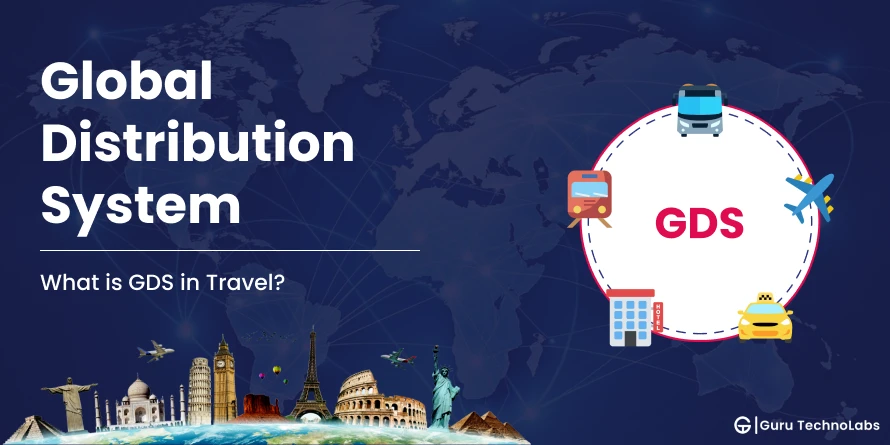

Did you know the technology that allows travel agents to book flights, hotel rooms, car rentals, and vacation packages in real time has existed since the 1960s? Originally developed to help airlines manage seat inventory, this system has evolved into a powerful, behind-the-scenes engine driving the global travel industry.
This system is known as the Global Distribution System (GDS), a digital network that connects travel service providers with booking platforms worldwide, delivering instant access to prices, availability, and reservations.
Whether you’re browsing flights on an OTA like Expedia or finalizing a complex itinerary with a travel agent, GDS is likely powering the process. It plays a crucial role in today’s travel ecosystem, helping airlines, hotels, and agencies operate more efficiently.
In this guide, you’ll discover:
GDS (Global Distribution System) is a computerized network that connects travel service providers, such as airlines, hotels, car rental companies, and cruise lines with travel agents and online booking platforms. It enables real-time access to inventory, pricing, and bookings, all in one place.
In simple terms, GDS acts as the middleman that helps sell travel products around the world – instantly and efficiently.
According to Statista, the global GDS market size is estimated to grow from $15.1 billion in 2022 to $18.6 billion by 2029.
While both GDS and IDS (Internet Distribution System) help distribute travel services online, they serve different users and purposes:
| Feature | GDS | IDS |
|---|---|---|
| Audience | B2B (Travel Agents, Agencies) | B2C (OTAs like Expedia, Booking.com) |
| Usage | Connects providers to agents for real-time booking | Pushes inventory to consumer booking sites |
| Example | Amadeus, Sabre | Agoda, Hotels.com |
GDS powers travel agents, while IDS powers consumer-facing booking websites. Understanding the features of GDS can helps to understand how GDS effective for agents.
The distinction between GDS (Global Distribution System) and CRS (Central Reservation System) lies in scope and purpose:
The travel industry is dominated by three major legacy GDS platforms, often called the “big three”: Amadeus, Sabre, and Travelport.
Together, these three systems power the majority of traditional travel bookings across the world and are often featured among the Top GDS systems. They represent different types of GDS based on regional dominance, features, and capabilities.
While GDS is a powerful tool, it comes with a few real-world challenges businesses should keep in mind:
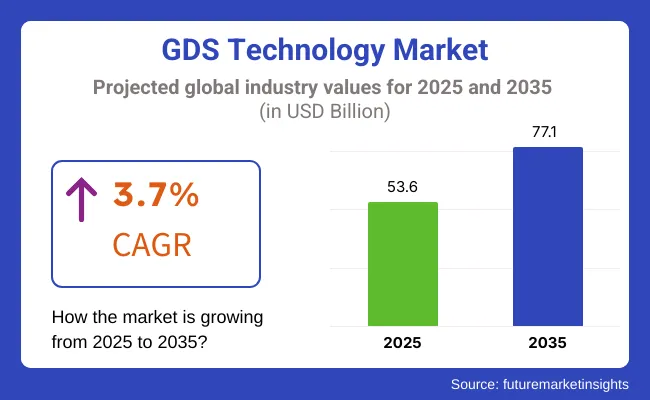
Source: Future Market Insights
The travel industry is evolving fast, and GDS platforms are adapting to stay relevant in a digital-first world:
The future of GDS is not about replacement – it’s about reinvention to serve a more connected, digital, and data-driven travel landscape.
At Guru TechnoLabs, we make GDS integration smooth, scalable, and future-ready. Whether you’re a travel agency, OTA, or hospitality brand, we help you connect with major GDS providers using:
From initial setup to long-term strategy, we handle the complex tech so you can focus on growing your travel business. Ready to expand your reach and tap into global travel inventory? Let Guru TechnoLabs be your trusted partner in next-generation travel technology.

Ravi Makhija is the Founder and CEO of Guru TechnoLabs, an IT services and platform engineering company specializing in Web, Mobile, Cloud, and AI automation software systems. The company focuses on building scalable platforms, complex system architectures, and multi-system integrations for growing businesses. Guru TechnoLabs has developed strong expertise in travel technology, helping travel companies modernize booking platforms and operational systems. With over a decade of experience, Ravi leads the team in delivering automation-driven digital solutions that improve efficiency and scalability.
Share your business needs or project requirements with us & we will get back to you quickly.



