Published On:
September 14, 2018Last Updated:
October 12, 2026
The popularity of dating apps has blown up in recent years, with more and more people turning to these platforms to find love, companionship, or casual hookups. The numbers can say all:
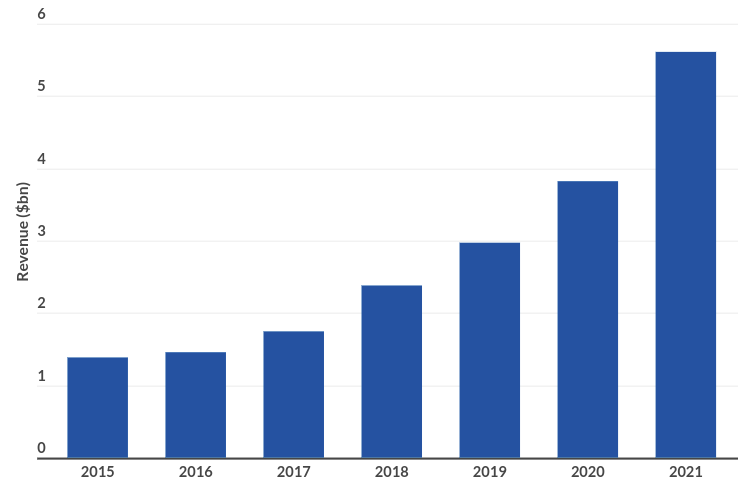
As we can see, the demand for dating apps is increasing; this presents an excellent opportunity for entrepreneurs and business owners to capitalize on this growing trend by developing their own dating apps.
However, with so many dating apps available in the market, it’s challenging for new entrants to stand out and make a profit. Even established dating app businesses are struggling to monetize their offerings effectively.
So, to succeed in this highly competitive industry, it’s important to have a proper monetization model in place. As a leading dating app development company with years of experience, we deeply understand the different monetization models and can help you choose the one that’s right for your dating app.
From advertising and in-app purchases to premium subscriptions, there are several ways to monetize your dating app and generate revenue. Analyzing successful niche dating apps can offer inspiration for effective monetization strategies. By integrating these ways and leveraging the benefit of AI into dating apps, you can start to make your dating app successful.
So, let’s explore different monetization models other dating apps use and understand how to succeed in this highly competitive industry.
A popular monetization strategy dating apps use is the subscription model. It requires users to pay a fee on a regular basis (weekly, monthly, yearly) to access premium features and services. This includes unlimited swipes, access to see who’s viewed your profile and more.
Types of Subscription Models
Examples of popular dating apps using the Subscription Model
Tinder: Tinder Plus and Tinder Gold are the app’s subscription options, which offer features such as unlimited swipes, the ability to undo a swipe, and the ability to see who has liked your profile.
Bumble: Bumble Boost is the app’s premium subscription option, offering features such as rematch with expired connections and access to advanced filters.
In-app purchases monetization strategy is a good way to make money from free dating apps that allows users to purchase virtual goods or currency within the app. With that, users can access premium features or enhance their user experience.
Types of In-App Purchase Models
Examples of dating apps that use the in-app purchase model
OkCupid: In OkCupid, users can purchase a premium subscription called A-List which allows premium features such as the ability to see who has liked your profile and browse profiles by staying hidden.
Also Read: Learn more about dating app features
Sponsorship is an effective way to generate revenue for dating apps while providing value to users through relevant and engaging content or events. In this model, a brand or advertiser pays to promote their product or service within the dating app to the user base.
Types of Sponsorship Models
Examples of dating apps that use the sponsorship model
Hinge: Hinge has partnered with brands such as Headspace and Casper to offer users sponsored content and promotions related to mental health and sleep.
Also Read: Get in depth knowledge on how to create a dating app?
In the affiliate marketing model, dating apps partner with other service providers like restaurant owners, jewelry stores, gift stores, bars, and florists to sell their products or services. In this way, dating apps can generate revenue by earning a commission for every user who clicks through to the partner site and makes a purchase or signs up for a service.
Ensure promoted products or services align with the app’s overall brand and value so users find it engaging.
Types of Affiliate Marketing
Examples of dating apps that use affiliate marketing
Tinder: Tinder has partnered with companies to offer co-branded promotions, such as a partnership with Lyft that provides discounted rides to first dates.
Also Read: Check out more on Tinder’s pricing plans in detail.
In this model, dating apps have their own online store to sell products and services related to dating and relationships. This monetization strategy works well for apps with strong user engagement, and they should be interested in purchasing products that complement the dating experience.
The products range from physical goods, such as clothing, accessories, and home decor, to digital products, such as e-books, courses, and coaching services. The app can also offer gift cards or vouchers that can be used for dates, events, or experiences.
They must also have a user-friendly e-commerce platform that integrates with their app and offers secure payment processing.
An example of a dating app that uses this integrated e-commerce revenue model is Bumble. They have an online store called Bumble Bizz, where they sell branded merchandise such as t-shirts, tote bags, phone cases, and tickets to events and experiences.
The advertisement monetization model involves displaying ads to dating app users and generating income from advertisers. Advertisers pay for displaying ads, and dating apps offer ad space to promote their services or products.
The ads can be displayed in different formats, such as banner ads, interstitial ads, or native ads, to the different parts of the app. It’s important to balance the placement and frequency of ads to avoid distracting users with excessive advertising.
Types of Advertisement Models
Examples of dating apps that use the advertisement model
Tinder: Tinder displays ads in between user swipes, as well as banner ads on the homepage.
OkCupid: OkCupid displays banners and native ads within the app’s search results and messaging interface.
Several people are too shy to approach a person of the opposite sex. They are not confident enough to express their feelings and communicate with others.
So, to help them enjoy fun dates with their matches, the dating app allows users to sign up for personalized coaching services such as dating advice, profile optimization, or matchmaking. It also offers tips about body language, grooming, appearance, and how to make the best first impression while meeting their date.
The app charges a fee for the coaching services, which can be a one-time or recurring subscription fee.
Types of personalized coaching services
Examples of dating apps that use the personalized coaching service model
Match.com: Match.com allows users to sign up for “Matchmakers,” a personalized matchmaking service that matches users with certified matchmakers who provide personalized advice and feedback.
Another great way dating apps generate revenue is by conducting paid surveys. In this model, the app sends out surveys to users on behalf of companies and earns money from these companies for accessing its user base. Users can get money or other rewards for participating in the surveys.
Types of Paid Surveys
Example of a dating app that uses the paid survey model
OKCupid: This app regularly sends out surveys to its users on several topics, and users can earn points that can be redeemed for premium features or real-world rewards.
Selecting the right monetization model is crucial to the success of your dating app. So take the time to evaluate the following options carefully and seek expert advice if necessary.
Here are the steps to follow:
It’s best to seek the advice of experienced professionals who can help you analyze your options and make an informed decision that aligns with your business goals.
We hope you understand the different ways dating apps make money. Now, it’s time for you to sort out the best ways to generate revenue for your dating app as per the target audience.
You can incorporate all the suitable ways to generate money into your dating app. If you don’t know how to incorporate these into your dating app, you can contact us.
As a leading dating app development company, we have created many dating apps and integrated these monetization methods to make them successful. Hence, we can understand your business goals and include the best app monetization methods that align with your business goals at a cost-effective price.
In Tinder’s business model, the monetization streams are subscriptions, in-app advertising, and partnerships with other brands. It primarily makes money through subscriptions to its premium features, such as Tinder Plus and Tinder Gold, which offer additional features like unlimited swipes, the ability to change your location, and the ability to see who has liked your profile.
Apart from subscriptions, it makes money through in-app purchases, such as Super Likes & Boosts. Lastly, it also generates revenue by showing ads in the free version. Learn more about Tinder’s business model in detail.
Talking about Bumble’s revenue-generating stream, it makes money using the Freemium, in-app purchases, and subscription model.
Bumble primarily makes money through its premium subscription service called Bumble Boost, which offers additional features such as the ability to rematch with expired matches, extend the time for a connection to respond, and access to Bumble’s Beeline feature that shows users who have already liked their profile.
Bumble also generates revenue through in-app advertising and partnerships with other brands.
Hinge makes money primarily through its premium subscription service, Hinge Preferred, which offers additional features like unlimited likes, the ability to see who has liked your profile, and access to advanced filters to help find more compatible matches. It also generates revenue through in-app advertising and partnerships with other brands.
The dating app market made $4.94 billion in revenue in 2022. However, it greatly depends on various factors, such as the size of its user base, its premium feature’s popularity, and it’s monetization strategy’s effectiveness.
However, successful dating apps can generate millions or even billions of dollars in revenue each year. For example, Tinder’s revenue in 2022 made US $1.79 billion.
Yes, free dating apps can make money through different monetization strategies such as in-app advertising, premium subscription services, virtual gifts, or partnerships with other brands. While free dating apps may generate less revenue than paid ones, they can still be profitable if they have a large user base and high user engagement.

Ravi Makhija is the Founder and CEO of Guru TechnoLabs, an IT services and platform engineering company specializing in Web, Mobile, Cloud, and AI automation software systems. The company focuses on building scalable platforms, complex system architectures, and multi-system integrations for growing businesses. Guru TechnoLabs has developed strong expertise in travel technology, helping travel companies modernize booking platforms and operational systems. With over a decade of experience, Ravi leads the team in delivering automation-driven digital solutions that improve efficiency and scalability.



Share your business needs or project requirements with us & we will get back to you quickly.