How Does Tinder Make Money: Revenue, Statistics and Business Models
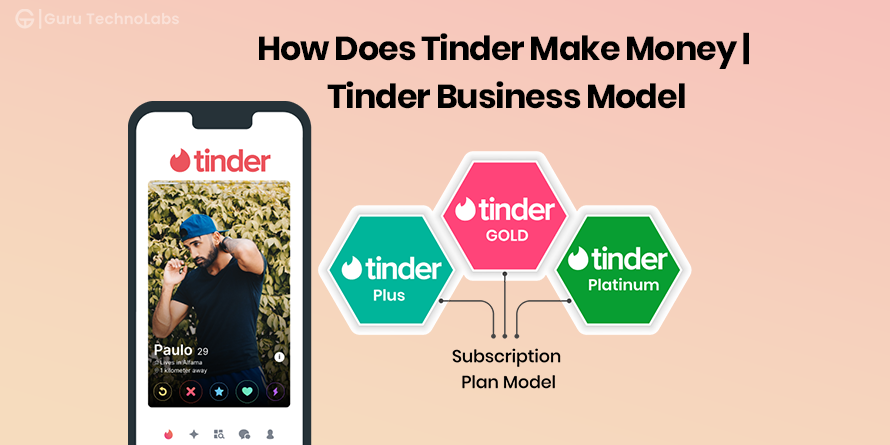
Table of Contents
Online dating has transformed how people connect, and no app has shaped this shift more than Tinder. Since its launch in 2012, Tinder has grown into the world’s most popular dating app, with over 75 million monthly active users and nearly $2 billion in annual revenue.
But Tinder’s success is not just about swipes. Behind the simple interface is a carefully designed business model that turns free users into paying subscribers and one-time buyers into repeat customers.
In this guide, we break down the Tinder business model, its revenue streams, the latest earnings statistics, and what makes its monetization strategy so effective. This article gives you practical insights into how one of the world’s biggest apps built a scalable revenue engine—and what businesses can learn when they plan to build a dating app.
For a broader context on the dating industry, explore our detailed breakdown of online dating industry statistics.
So, let’s dive in and explore how Tinder makes money.
Tinder Business Model Canvas
Here is a detailed look at Tinder’s business model, which makes it the leading dating app worldwide.
| Key Partners | Key Activities | Value Proposition |
|---|---|---|
|
• Match Group (parent company) • Technology providers & cloud infrastructure • Spotify & Instagram integrations • App Store & Google Play • Advertising partners |
• App & platform development • Algorithm optimization • Content moderation & safety • Marketing & user acquisition • API management |
• Effortless way to meet people nearby • Removes barriers in forming relationships • Rational matching based on mutual interest • Available in 190+ countries, 40+ languages |
| Channels | Customer Relationships | Customer Segments |
|
• App Store & Play Store • Website (tinder.com) • Social media platforms • Blog, press & PR |
• Swipe-based matching (mutual likes) • Location & interest-based suggestions • Premium features for deeper engagement • In-app chat & messaging |
• 18+ singles seeking matches • 61% aged 18–34; growing 35+ segment • LGBTQ+ users (9 orientations, 50+ genders) • Advertisers targeting young demographics |
| Key Resources | Cost Structure | Revenue Streams |
|
• Platform, app & brand • Matching algorithm & AI • GPS & location technology • User data & behavioral insights • Spotify & Instagram integrations |
• Product development & engineering • Server infrastructure & cloud hosting • Marketing & user acquisition • Content moderation across 190+ countries • Customer support & operations |
• Subscriptions (Plus, Gold, Platinum) • In-app purchases (Boosts, Super Likes) • Advertising & sponsored profiles |
Tinder’s parent company, Match Group, generated $3.49 billion in total revenue in 2025, as reported in their official Q4 2025 earnings release. Tinder contributed roughly 57% of that figure, making it the single largest revenue driver within the entire Match Group portfolio.
How Does Tinder Make Money [Tinder Revenue Models]
Tinder is free to download and use, but its real business is built on paid monetization. So, how does Tinder make money? The platform earns revenue through three main channels: subscriptions, in-app purchases, and advertising.
This freemium model has helped Tinder generate nearly $2 billion in annual revenue, while many dating apps struggle to become profitable.
Tinder Subscriptions
Subscriptions are the largest part of Tinder revenue. The platform offers multiple premium plans designed for users with different budgets, dating goals, and usage behavior.
Tinder Subscription Plans Comparison
| Feature | Tinder Plus | Tinder Gold | Tinder Platinum |
|---|---|---|---|
| Monthly Price | ~$24.99/mo | ~$39.99/mo | ~$49.99/mo |
| Unlimited Likes | ✓ | ✓ | ✓ |
| Rewind Last Swipe | ✓ | ✓ | ✓ |
| Passport (Change Location) | ✓ | ✓ | ✓ |
| Ad-Free Experience | ✓ | ✓ | ✓ |
| See Who Likes You | ✗ | ✓ | ✓ |
| Top Picks Daily | ✗ | ✓ | ✓ |
| Super Likes | ✗ | ✓ | ✓ |
| Monthly Boost | ✗ | ✓ | ✓ |
| Priority Likes | ✗ | ✗ | ✓ |
| Message Before Matching | ✗ | ✗ | ✓ |
Tinder Plus
Tinder Plus is the entry-level paid plan. It is designed for users who want a smoother experience without the limitations of the free version.
Key benefits include:
- Unlimited Likes
- Rewind accidental swipes
- Passport mode to swipe in other cities
- Ad-free browsing
This plan is best suited for casual users who want convenience and more flexibility.
Tinder Gold
Tinder Gold includes everything in Tinder Plus and adds one of the app’s most valuable premium features: See Who Likes You.
This allows users to instantly match with people who already swiped right on them.
Additional Gold features include:
- Daily Top Picks
- Extra Super Likes
- Monthly Boosts (varies by region)
Tinder Gold is popular among users who want faster and more efficient matching.
Tinder Platinum
Tinder Platinum is Tinder’s highest-tier plan. It includes all Gold features plus advanced visibility advantages.
Premium benefits may include:
- Priority Likes
- Message before matching
- Higher profile placement
- Maximum premium access
This plan targets high-intent users who want the best possible results.
Why Tinder Subscription Plans Work
Tinder’s multi-tier pricing strategy helps monetize different user segments instead of offering only one plan.
- Casual users may choose Plus
- Active users may prefer Gold
- Power users may upgrade to Platinum
Longer billing cycles also reduce monthly cost, encouraging users to commit for several months instead of paying month to month.
This flexible pricing model is one of the biggest reasons Tinder subscriptions generate the majority of Tinder’s total revenue.
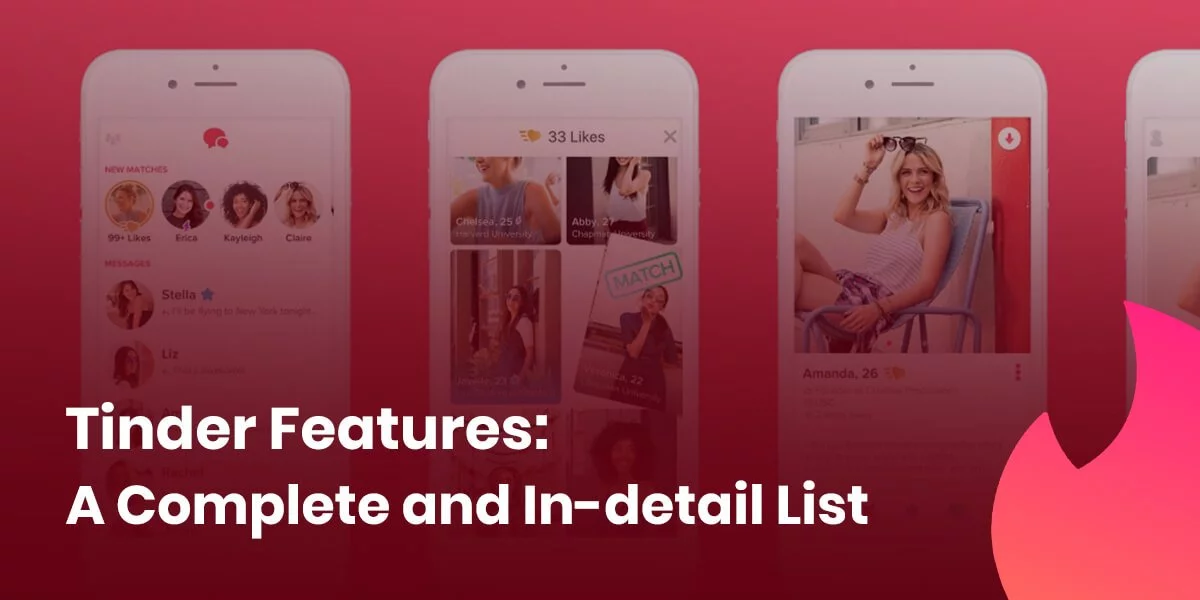
For a deeper look at the features behind each tier, explore our detailed Tinder feature list.
In-App Purchases
Beyond subscriptions, Tinder generates significant revenue through one-time in-app purchases. These purchases are designed to give users a temporary advantage, improve visibility, and increase match opportunities without requiring a monthly subscription.
This model works well because many users may not commit to a recurring plan, but they are willing to pay for faster results during high-intent moments.
Tinder Super Likes
A Super Like lets users show a stronger interest before the other person swipes. It helps a profile stand out and can improve the chances of getting noticed.
Free users receive limited Super Likes, while extra packs are available for purchase.
| Super Like Pack | Estimated Price |
|---|---|
| 5 Super Likes | $7.99 |
| 25 Super Likes | $29.99 |
| 60 Super Likes | $59.99 |
Super Likes are especially popular among users who want to make a stronger first impression on high-interest matches.
Tinder Boosts & Super Boosts
A Boost moves a user’s profile to the top of the swipe stack in their area for a limited time. This can significantly increase profile views and matches.
A Super Boost extends visibility for longer durations and delivers even stronger exposure.
| Purchase Type | Estimated Price |
|---|---|
| Boosts | $6.99 to $49.99 |
| Super Boosts | $39.99 to $129 |
Many users purchase Boosts during peak activity times such as evenings, weekends, or while traveling to new cities.
Why Tinder In-App Purchases Work
Tinder’s in-app purchases succeed because they are driven by urgency and immediate results. A user experiencing fewer matches may decide to buy a Boost instantly rather than wait for organic visibility.
This type of impulse spending creates a strong secondary revenue stream alongside subscriptions.
Industry estimates suggest à la carte purchases contribute around 20% of Tinder’s direct revenue, while subscriptions account for the remaining majority. This balanced model helps Tinder monetize both long-term subscribers and occasional spenders.
Also Read: Common mistakes to avoid while building your dating app
Advertising & Sponsored Profiles
Tinder also earns money through advertising and sponsored profiles, making it an additional revenue stream beyond subscriptions and in-app purchases. While advertising contributes a smaller share of total revenue, it still plays an important role in Tinder’s overall monetization strategy.
In-App Advertising
Free users commonly see ads between swipes in a native format that blends into the user experience. Instead of disruptive banner ads, Tinder places promotions in a way that feels similar to regular swipe cards.
This approach helps Tinder monetize free users while keeping the experience more engaging.
Benefits of native ads include:
- Better user attention
- Higher click-through potential
- Less interruption to swiping behavior
- More revenue from non-paying users
Sponsored Profiles
Tinder also offers sponsored profiles for brands and businesses. These profiles appear like potential matches and are usually marked with a sponsored label.
When a user swipes right on a sponsored profile, they may automatically match and receive a promotional message or campaign offer.
This format helps brands engage users in a more interactive way compared to traditional display ads.
Why Tinder Advertising Works
Tinder’s advertising model benefits from valuable audience data and user intent signals. Brands can reach targeted demographics using factors such as:
- Age group
- Location
- Interests
- Behavioral activity
- Device usage patterns
This makes Tinder attractive to advertisers who want to reach younger, mobile-first audiences.
How Much Does Tinder Make a Year [Tinder Earning Statistics]
So, how much money does Tinder make a year? Tinder’s revenue growth shows how a freemium dating app can scale into a billion-dollar business while adapting to changing user behavior and stronger competition.
Tinder’s parent company, Match Group, generated $3.49 billion in total revenue in 2025, as reported in their official Q4 2025 earnings release. Tinder contributed roughly 57% of that figure, making it the single largest revenue driver within the entire Match Group portfolio.
Tinder Annual Revenue by Year
| Year | Tinder Annual Revenue | YoY Growth |
|---|---|---|
| 2016 | $180 million | — |
| 2017 | $403 million | ~124% |
| 2018 | $805 million | ~100% |
| 2019 | $1.15 billion | ~43% |
| 2020 | $1.40 billion | ~22% |
| 2021 | $1.65 billion | ~18% |
| 2022 | $1.79 billion | ~8.5% |
| 2023 | $1.91 billion | ~6.9% |
| 2024 | $1.96 billion | ~1.1%e |
| 2025 | $1.99 billion | ~1.4% |
Tinder’s annual revenue increased from $180 million in 2016 to approximately $1.99 billion in 2025, representing more than 10x growth in nine years. While year-over-year growth has slowed compared to the rapid expansion seen in 2017 and 2018, Tinder still generates close to $2 billion annually and remains one of the highest-earning dating apps globally.
However, 2025 also highlighted an important shift in strategy. Tinder’s direct revenue reportedly declined by around 4% year-over-year due to fewer paying subscribers, but revenue per paying user continued to rise. This suggests Tinder is focusing more on higher-value customers, premium plans, and pricing optimization rather than only increasing subscriber volume.
Every month, Tinder generates an estimated $160–165 million in revenue. The platform’s lifetime revenue has surpassed $7 billion, and the U.S. remains one of its most valuable markets.
Tinder Paid Subscribers by Year
| Year | Paid Subscribers |
|---|---|
| 2015 | 0.3 million |
| 2017 | 2.7 million |
| 2018 | 3.8 million |
| 2019 | 5.9 million |
| 2020 | 6.6 million |
| 2021 | 8.2 million |
| 2022 | 10.9 million (Peak) |
| 2023 | 9.9 million |
| 2024 | 9.6–9.8 million |
| 2025 | ~8.8 million (Q4) |
Tinder’s paying subscriber base peaked at 10.9 million in 2022 and gradually declined to around 8.8 million by Q4 2025. This drop is linked to growing competition from apps like Bumble and Hinge, pricing changes, and shifting preferences among younger users.
Even with fewer paying users, Tinder has maintained strong revenue through better monetization per subscriber. This reinforces an important lesson in subscription businesses: long-term growth is not only about acquiring more users, but also about increasing customer value and retention.
Also Read: How to create a successful dating app
How Does the Tinder Algorithm Work?
Understanding the Tinder algorithm is essential for anyone studying the platform’s business model because it directly influences user behavior and spending decisions.
Tinder originally used an Elo rating system (borrowed from competitive chess) to score user profiles based on desirability. In 2019, Tinder officially moved away from the Elo system and adopted a more dynamic, multi-factor algorithm. Here is how the current system works:
Swipe Behavior Tracking
The algorithm monitors how selectively you swipe. Users who swipe right on nearly everyone are treated as less discerning (or potential bots), and their visibility decreases. Research shows that selective swiping (a right-swipe rate under 30%) can result in up to 3x higher match rates than indiscriminate swiping.
Profile Engagement Signals
Your profile’s ranking is influenced by how others interact with it. The more right-swipes, Super Likes, and messages your profile receives, the higher it ranks in other users’ card stacks. Profile completeness (multiple photos, a written bio, linked Spotify/Instagram) also contributes to visibility.
Activity & Recency
Tinder prioritizes recently active users. The algorithm wants to facilitate real-time matches, so profiles of users who are currently online or recently logged in are pushed to the front. Active Tinder users log in an average of 11 times per day.
Connection to Monetization
This is where the algorithm meets revenue. When a user’s organic visibility drops due to low activity, indiscriminate swiping, or an incomplete profile, the most obvious solution is to purchase a Boost for instant visibility or upgrade to Platinum for Priority Likes. The algorithm creates a natural friction point that premium features are designed to solve.
For a deeper look at the features driving engagement, explore our full Tinder feature list breakdown.
Tinder Statistics
Here are the most important Tinder statistics that highlight the platform’s scale, reach, and market position:
| Metric | Value |
|---|---|
| Monthly Active Users | 75 million+ |
| Paying Subscribers (Q4 2025) | ~8.8 million |
| Total Downloads (All Time) | 400+ million |
| Total Matches (All Time) | 100+ billion |
| Daily Swipes | 1.6 billion |
| Countries Available | 190+ |
| Languages Supported | 40+ |
| U.S. Users | 7.8 million |
| U.S. Market Share | ~28% of dating apps |
| Gender Split | ~75% male, ~25% female |
| Most Active Age Group | 18–34 (61% of users) |
| Average Daily App Opens | ~11 times per day |
| Average Time on App | ~90 minutes per day |
| Revenue Per Paying User | ~$17.63/month (Q4 2025) |
| Match Group Revenue Contribution | ~57% |
| Tinder’s Estimated Valuation | ~$8–10 billion |
Despite a decline in paying subscribers from the 2022 peak, Tinder remains far ahead of any competitor. According to DemandSage’s 2026 analysis, Bumble had roughly 3.2 million downloads in December 2025 compared to Tinder’s 6.3 million. For a broader industry view, explore our complete list of Tinder alternatives.
Bottom Line
Tinder’s business model remains one of the strongest examples of app monetization at scale. By combining a frictionless free experience with premium subscriptions, one-time purchases, and targeted advertising, Tinder generates nearly $2 billion in annual revenue while continuing to lead a highly competitive dating app market. Its success shows that freemium models work best when users can access real value for free and clearly see the benefits of upgrading through features that save time, improve visibility, or increase match opportunities.
Another key reason behind Tinder’s growth is its ability to monetize different user behaviors through tiered pricing, microtransactions, and recurring subscriptions. Even as paying subscriber numbers fluctuate, Tinder has continued increasing revenue per user through smarter pricing and premium upsells. This proves that long-term profitability is not only about acquiring more users, but also about creating better monetization systems. For businesses looking to build a similar platform, partnering with Guru TechnoLabs, an experienced dating app development company, can help turn these proven revenue strategies into a scalable and profitable product.
Frequently Asked Questions
Tinder generated approximately $1.99 billion in revenue in 2025. This made Tinder one of the highest-earning dating apps globally.
- 2024 Revenue: $1.96 billion
- 2025 Revenue: $1.99 billion
Tinder earns money through subscriptions, in-app purchases, and advertising.
Main Tinder revenue sources:
- Tinder Plus, Gold, and Platinum subscriptions
- Boosts and Super Likes
- Ads shown to free users
- Sponsored profiles
Subscriptions generate the largest share of revenue.
Tinder’s algorithm ranks profiles using activity, swipe behavior, engagement, and location signals.
It commonly considers:
- How selective you swipe
- How often do you use the app
- Profile completeness
- User interactions
- Distance from other users
Premium features like Boosts can improve visibility.
Approximately 80% of Tinder’s direct revenue comes from subscriptions.
These include:
- Tinder Plus
- Tinder Gold
- Tinder Platinum
The remaining revenue mainly comes from Boosts, Super Likes, and advertising.
No, Tinder does not rely only on subscriptions.
Tinder also earns money from:
- Boosts
- Super Likes
- Super Boosts
- In-app ads
- Sponsored profiles
This diversified model helps maximize revenue.
Yes, but growth has slowed. Tinder’s revenue growth was nearly flat in 2025, yet it still has 75 million+ monthly active users and remains one of the world’s largest dating apps.
Current growth is focused on:
- Increasing revenue per paying user
- AI matchmaking features
- Better user retention
- New in-person and social experiences
As of Q4 2025, Tinder had approximately 8.8 million paying subscribers worldwide.
Subscriber trend:
- Peak in 2022: 10.9 million
- Q4 2025: 8.8 million
Tinder still leads most dating apps in paid users.